Hiring a web development agency has become less about “can they build a site?” and more about whether they can deliver a secure, scalable product that supports revenue, operations, and AI-enabled workflows. In 2026, buyers face tighter governance, higher security expectations, and a wider spread of delivery models—boutiques, global studios, product agencies, and platform specialists.
This guide breaks down what drives web development agency cost, how to compare proposals without guesswork, and which hiring decisions reduce risk long after launch. You’ll also get practical frameworks, example scenarios, and a step-by-step checklist you can use immediately.
Key Takeaways
- Treat agency selection like a product investment: define outcomes, constraints, and decision rights before you request proposals.
- Costs are driven more by scope ambiguity, integrations, security, and content operations than by “number of pages.”
- Use pricing model fit (fixed, time & materials, retainer, performance) and a clear change-control process to prevent overruns.
- Evaluate delivery capability with artifacts: discovery outputs, architecture approach, QA strategy, and production support plan.
- Reduce vendor risk with measurable acceptance criteria, staged milestones, and ownership of code, accounts, and documentation.
What does it cost to hire a web development agency?
Web development agency cost varies widely because agencies aren’t selling “pages”—they’re selling a delivery system. Price is shaped by scope clarity, design complexity, CMS and integrations, security/compliance needs, and the level of strategy, content, and analytics included. The fastest way to control cost is to define what “done” means and which risks the agency must own.
Start by separating build cost from total cost of ownership. Build cost covers discovery, design, engineering, QA, and launch. Ownership cost includes hosting, monitoring, content updates, security patches, and ongoing optimization—work that’s often under-scoped during procurement.
If you’re benchmarking vendors, use a “should-cost” mindset: estimate what the work should cost given inputs and complexity, then compare proposals against that baseline. McKinsey describes “should costing” approaches such as T‑shirt sizing and complexity-point analysis for software procurement, which can be adapted to web builds to make vendor pricing more comparable (source).
A practical cost breakdown: what you’re really paying for
A credible agency estimate decomposes work into phases and roles, not vague line items. Expect your budget to cover discovery and architecture, UX/UI design, front-end and back-end engineering, CMS configuration, integrations, QA, and launch. The more unknowns you carry into contracting, the more you’ll pay in contingency or change orders.
Discovery and planning (the cost-control phase)
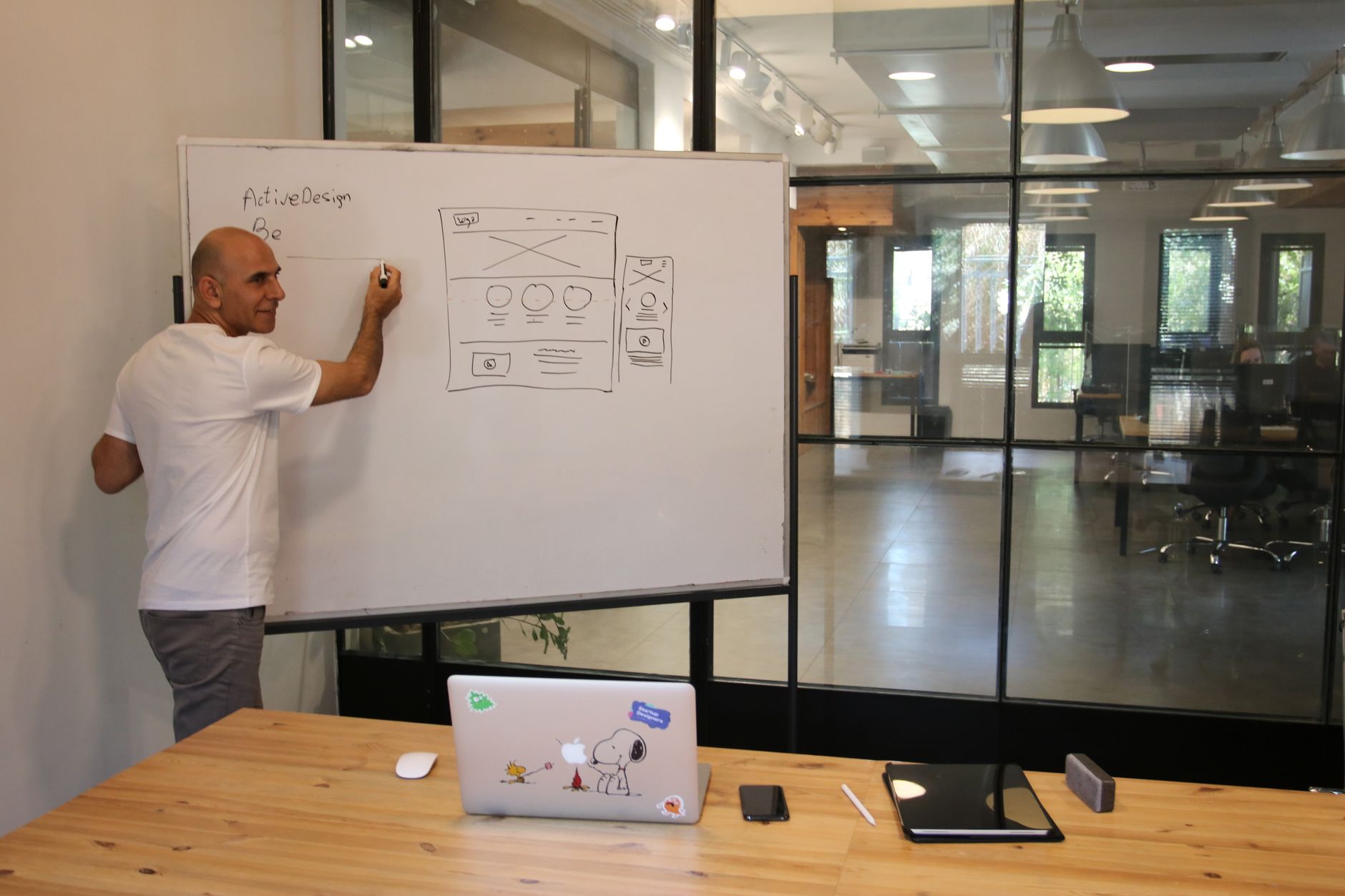
Discovery is where agencies reduce uncertainty: requirements, user journeys, content inventory, data flows, and nonfunctional requirements like performance and accessibility. Strong discovery produces artifacts you can validate—wireframes, a backlog, and acceptance criteria—so the build phase isn’t funded on assumptions. If a proposal minimizes discovery, plan for higher downstream change costs.
Design and content operations
Design costs rise when you need a new design system, complex component libraries, motion, personalization patterns, or multi-brand theming. Content work is often the hidden budget sink: rewriting, migration, taxonomy, redirects, and governance. Ask whether the agency includes content modeling and migration tooling, or assumes your team will “paste content in later.”
Engineering, integrations, QA, and launch
Engineering scope expands quickly with authentication, role-based access, CRM/ERP integration, payments, search, localization, and analytics events. QA and launch are not “nice to have”—they are risk controls, covering regression testing, accessibility checks, and deployment automation. Treat QA strategy and release management as mandatory line items, not optional add-ons.
- Discovery: requirements workshops, content inventory, technical audit, backlog and acceptance criteria.
- UX/UI: IA and navigation, wireframes, component library, responsive states, design tokens.
- Build: front-end implementation, back-end services, CMS setup, roles/permissions, environments.
- Integrations: SSO, CRM, marketing automation, search, payments, data warehouse event streams.
- Quality: automated tests, manual exploratory testing, accessibility validation, performance budgets.
- Launch: deployment pipeline, monitoring, rollback plan, redirect mapping, post-launch stabilization.
Which pricing model should you choose for a web agency?
Choose a pricing model based on uncertainty and speed, not preference. Fixed price fits stable scope and strict timelines, while time and materials fits evolving requirements and iterative delivery. Retainers work for ongoing roadmaps, and hybrid contracts (fixed discovery + flexible build) often balance control with agility.
Fixed price: when it works (and when it fails)
Fixed price can be effective if you can define deliverables and acceptance criteria up front. It tends to fail when stakeholders treat it like a buffet: “just one more feature” without change control. If you go fixed price, demand a detailed scope, explicit exclusions, and a written process for change requests with cost/time impacts.
Time & materials: the most honest model for uncertainty
Time & materials (T&M) is often the best fit for complex web products with integrations, experimentation, or unknown technical constraints. The tradeoff is governance: you need sprint-level planning, transparent burn reporting, and strong product ownership to prevent drift. Ask for weekly forecasts and a rolling scope-to-budget reconciliation.
Retainers and hybrid contracts
Retainers are ideal when you’re building a platform, not a one-off site—think continuous improvements, A/B tests, SEO work, and feature releases. Hybrid contracts commonly fix discovery and architecture, then shift to T&M for delivery using a prioritized backlog. This approach reduces procurement friction while keeping room for learning.
What scope details most affect web development agency pricing?
Pricing changes most when scope impacts complexity: custom design systems, CMS and workflow requirements, data and identity integrations, compliance, and performance targets. “How many pages?” is usually a weak predictor; “how many unique templates, roles, workflows, and integrations?” is far more accurate. Clarify these early to avoid inflated contingencies.
CMS, workflows, and governance
A marketing site with simple publishing is different from an enterprise CMS with multi-step approvals, localization, and reusable components. Define who publishes what, how content is approved, and how you’ll prevent “component sprawl.” If you need platform-specific expertise, explore specialist vendors via the AWS development category when hosting and cloud architecture are central to the build.
Integrations and data flows
Integrations add cost because they add failure modes: rate limits, auth flows, schema changes, and vendor outages. Ask the agency to diagram data flows and define system-of-record rules. Require an integration test plan and a rollback strategy for launch, especially if revenue depends on forms, payments, or lead routing.
Security, privacy, and compliance
Security requirements can reshape architecture: SSO, audit logs, encryption, WAF configuration, and secure SDLC practices. If you operate in regulated environments, align on threat modeling, vulnerability management, and incident response expectations. For teams dealing with sensitive data, the practices described in SaaS Security in Healthcare: How to Protect Patient Data Without Slowing Innovation offer a useful governance lens even outside healthcare.
How do you compare web development agency proposals fairly?
To compare proposals fairly, normalize them: force consistent assumptions, deliverables, and acceptance criteria. Evaluate not just price, but how each agency manages risk—discovery depth, architecture decisions, QA rigor, and post-launch support. The best proposal makes tradeoffs explicit and shows how scope, timeline, and cost interact.
Use a “proposal normalization” checklist
- Confirm the same scope baseline: templates/components, CMS roles, integrations, analytics events, migration volume.
- Standardize environments: dev/stage/prod, CI/CD, monitoring, backups, disaster recovery expectations.
- Require the same deliverables: wireframes, design system artifacts, technical documentation, test evidence.
- Align assumptions: client responsibilities, content readiness, legal/compliance review time, stakeholder availability.
- Compare change control: how changes are estimated, approved, and scheduled.
Apply a should-cost lens to avoid apples-to-oranges pricing
When proposals vary wildly, it’s often because vendors are pricing different interpretations of the work. Borrow from “should costing” methods—like T‑shirt sizing or complexity-point approaches—to build your own baseline and challenge outliers (source). You don’t need perfect precision; you need a defensible range tied to complexity drivers.
Look for evidence, not promises
Ask for sample artifacts: a real backlog, a test plan, an accessibility checklist, an architecture diagram, and a post-launch runbook. Agencies that can show these without hesitation usually have repeatable delivery practices. Also validate who will actually do the work—senior staff in sales decks sometimes disappear after signing.
What questions should you ask before hiring a web development agency?
Ask questions that reveal how the agency thinks, not just what they’ve built. Focus on discovery approach, technical architecture, QA discipline, security practices, and how they manage scope changes. The goal is to surface delivery maturity and fit with your organization’s constraints—brand governance, approvals, and operational readiness.
- Discovery: “What artifacts will we approve before build starts, and what decisions will they enable?”
- Architecture: “How do you handle performance budgets, caching, and scalability for traffic spikes?”
- Quality: “What’s your definition of done, and what test evidence do we receive each sprint?”
- Security: “How do you manage secrets, dependencies, and vulnerability remediation timelines?”
- Ownership: “Do we own the code, accounts, and design files at every stage, and how is handover handled?”
- Change control: “How do you estimate changes, and what’s the approval workflow?”
If you want a structured way to run these conversations, use a briefing workflow that forces clarity on goals, audiences, constraints, and success metrics. The template-driven approach in Successfully Briefing Your Agency: A Step-by-Step Guide helps reduce ambiguity that later becomes cost.
How do you evaluate agency expertise and team fit?
Evaluate expertise by matching the agency’s strengths to your risks: integrations, performance, content ops, and compliance. Team fit matters because delivery is a collaboration: you’ll make tradeoffs weekly. Look for clear communication, disciplined documentation, and a willingness to challenge assumptions—without being rigid or opaque.
Portfolio review: what to look for beyond aesthetics
A polished portfolio can hide weak engineering. Ask for examples that resemble your problem: multi-language sites, gated content, complex migrations, or high-traffic performance. Request a walkthrough of decisions: why they chose a CMS, how they handled redirects, and what they monitored after launch.
Delivery maturity signals
Mature agencies have delivery process muscle memory: sprint rituals, backlog hygiene, code review, automated testing, and incident response. They can explain how they prevent regressions and how they measure quality. Immature teams talk mainly about tools, not outcomes, and struggle to define “done.”
Capability alignment: specialists vs full-service
Full-service agencies reduce coordination overhead but may be generalists in key areas like cloud architecture or search. Specialists can be excellent for narrow needs—like performance engineering or platform builds—but require stronger client-side program management. If you’re still exploring vendors broadly, start with curated lists such as web development companies in the US to shortlist by capability.
What are the biggest hidden costs when working with a web agency?
Hidden costs usually come from work that’s real but unpriced: content migration, stakeholder reviews, security hardening, analytics instrumentation, and post-launch stabilization. Another common cost is technical debt created by rushed decisions or unclear ownership. You control hidden costs by making assumptions explicit and funding operations, not just launch.
Technical debt and modernization reality
If you’re rebuilding on top of legacy systems, budget for refactoring and modernization work that may not be visible in UI deliverables. McKinsey cautions that simply carving out 15–20% of IT budgets to address tech debt is insufficient, underscoring that debt reduction needs deliberate strategy—not token allocation (source). Translate that into contracts by requiring maintainability standards and documentation.
Content, SEO, and analytics instrumentation
Many projects underfund SEO migration: redirects, metadata mapping, structured data, and internal linking updates. Analytics also gets deferred until late, creating rework when event schemas don’t match business questions. If you need to coordinate budgets across teams, the mechanics in Understanding SEO Pricing Models: Agency Costs & How to Choose can help you align expectations early.
Cloud and compute costs (especially with AI features)
Hosting and compute can swing your long-term cost curve, particularly with personalization, search, media processing, or AI assistants. McKinsey projects that by 2030, data centers may require $6.7 trillion worldwide to meet compute demand, a signal that compute economics will remain a strategic constraint (source). Ask agencies to estimate operational run costs and propose performance and caching strategies.
How should you structure the contract to reduce risk?
A risk-reducing contract defines deliverables, acceptance criteria, change control, and ownership—then aligns incentives with outcomes. The goal is not to eliminate change, but to manage it transparently. Strong contracts also include security obligations, documentation requirements, and a clear post-launch support window so you’re not stranded after go-live.
Define acceptance criteria and “definition of done”
Acceptance criteria should cover function, performance, accessibility, and content workflows—not just “looks like the design.” Require a shared definition of done that includes code review, tests passing, documentation updated, and deployment readiness. This prevents late-cycle surprises and keeps quality from becoming negotiable under deadline pressure.
Change control that doesn’t kill momentum
Change control should be lightweight but explicit: request, estimate, impact assessment, approval, scheduling. In T&M, changes are normal; the control is budget forecasting and backlog prioritization. In fixed price, changes must trigger a documented scope adjustment, or you’ll end up paying through quality shortcuts.
Ownership, access, and exit rights
Ensure you own the deliverables: source code, design files, content models, and infrastructure-as-code where applicable. Define access to accounts (domains, DNS, hosting, analytics) and require credential handover at launch. Add an exit plan: documentation, knowledge transfer sessions, and a final deliverable package so switching vendors is feasible.
What are realistic timelines—and how do you keep them on track?
Realistic timelines come from sequencing decisions and dependencies: content readiness, legal review, integrations, and stakeholder availability. Projects slip when approvals are unclear and “final content” arrives late. Keep timelines on track by front-loading discovery decisions, running weekly demos, and treating content and compliance as parallel workstreams—not end-stage tasks.
Milestone planning that reflects real dependencies
Use milestones that represent validated outcomes: approved IA, approved component library, integrated staging environment, migration rehearsal, and launch readiness review. Avoid milestones that are merely “design complete” without acceptance criteria. Tie payments to these outcomes, and require a demo or artifact review at each gate.
Governance: who decides what, and when?
Define decision rights early: brand approvals, security sign-off, analytics requirements, and content governance. If five stakeholders can veto design, you don’t have a timeline—you have a debate club. Assign a single product owner (or empowered steering group) to resolve tradeoffs quickly and document decisions.
Use collaboration rituals that prevent rework
Weekly demos, backlog grooming, and written decision logs reduce misunderstandings. Require the agency to publish sprint goals, risks, and dependency blockers. If you want a real-world model of healthy collaboration patterns, see Case Study: Effective Agency Collaboration in Software Projects for practical governance ideas.
Should you hire a web agency that also builds AI features?
Hire an AI-capable agency when AI is part of the product experience—search relevance, support automation, personalization, or content operations—and you need integrated delivery across UX, data, and engineering. But treat AI scope as uncertain: cost, governance, and operational overhead can be hard to predict, especially at scale.
AI cost uncertainty is real—plan governance, not guesses
McKinsey notes that the full cost of building and managing AI applications at scale remains uncertain (source). For web projects, that means you should contract AI features as experiments with measurable success criteria, clear usage caps, and a plan for monitoring, evaluation, and iteration.
Where AI commonly fits in web builds (2026 patterns)
- Customer support: AI-assisted site search and help widgets integrated with knowledge bases and ticketing.
- Content operations: draft creation, summarization, and content QA workflows with human review gates.
- Personalization: segment-based experiences, recommendations, and dynamic landing pages with governance.
- Developer productivity: automated testing assistance, code review support, and documentation generation.
How to source AI-capable partners
If AI is central, shortlist agencies with proven delivery in data privacy, evaluation, and monitoring—not just UI demos. Explore specialized options via the AI development category, then validate how they handle model risk, logging, and human-in-the-loop review.
Practical examples: 5 scenarios that change cost and vendor choice
Real projects differ by constraints more than industry labels. The examples below are illustrative (hypothetical) but reflect common patterns that materially change agency pricing, timelines, and the type of team you should hire. Use them to sanity-check your own scope and decide where to invest in discovery versus build.
Scenario 1: Marketing site rebuild with SEO migration risk
A B2B firm needs a redesign, new CMS components, and a domain restructure. The cost driver isn’t the UI—it’s migration: redirects, metadata mapping, content pruning, and analytics continuity. Vendor choice should favor teams with a proven migration playbook and a disciplined redirect and QA process.
Scenario 2: Product-led growth site with billing and auth
A SaaS company wants a site that includes pricing experiments, gated content, SSO, and self-serve onboarding. Integrations with identity and billing introduce security and reliability requirements, which increase engineering and QA scope. A product-oriented agency with strong DevOps and testing practices is usually a better fit than a pure design studio.
Scenario 3: Multi-region enterprise CMS with approvals and localization
A global enterprise needs multi-language publishing, regional compliance approvals, and reusable components across brands. Costs rise due to workflow design, permissions, and governance, plus the need for robust staging environments. The right vendor will show experience in content governance, training, and operational runbooks.
Scenario 4: High-traffic performance-sensitive launch
A media or events business expects traffic spikes and needs strong performance budgets, caching, and CDN strategy. The agency must plan load testing, observability, and rollback procedures. In this scenario, paying more for architecture and QA often reduces the risk of costly downtime during critical windows.
Scenario 5: Adding an AI assistant to a content-heavy site
A company adds an AI help experience to reduce support tickets and improve findability. The cost drivers include content quality, evaluation, and monitoring—not just the chat UI. Because AI costs at scale are uncertain (source), structure the work as a pilot with usage limits, measurable outcomes, and clear escalation paths.
How to build your shortlist and run a high-signal selection process
A high-signal selection process reduces sales theater and increases evidence. Build a shortlist based on capability fit, then run a structured evaluation: written brief, Q&A, artifact review, and reference checks. Keep the process fair by using the same prompts and scoring criteria for every agency.
Shortlisting sources and validation
Use multiple sources: referrals, platform communities, and verified catalogs. For vendor discovery and due diligence, the verified IT company catalog can help you cross-check capabilities and find comparable firms. Once shortlisted, validate domain experience and confirm who will be assigned to your account.
Use a scorecard (and weight what matters)
- Delivery maturity (process, QA, release discipline) — highest weight for most enterprise builds.
- Technical fit (CMS, integrations, performance, security) — weight higher when risk is technical.
- Design and UX capability (systems thinking, accessibility, content modeling) — weight higher for rebrands.
- Team continuity and communication (who you actually get) — always material.
- Commercial terms (pricing model, transparency, change control) — ensure comparability, not lowest bid.
Run a paid discovery as a “try-before-you-buy”
If your scope is complex, consider paying 2–4 weeks for discovery with 1–2 finalist agencies. You’ll receive tangible outputs—IA, prototypes, backlog, architecture direction—and you’ll observe collaboration quality in real time. This often produces better build estimates and reduces the risk of choosing based on presentations alone.
Implementation checklist: next steps to hire with confidence
Use the checklist below to move from “we need an agency” to a controlled procurement and delivery plan. The focus is to reduce ambiguity early, align stakeholders, and ensure you can compare proposals fairly. Treat each item as a gate: if you can’t complete it, you’ve found a risk to resolve before contracting.
- Define outcomes: 3–5 business goals, primary audiences, and measurable success signals (leads, signups, task completion, performance targets).
- Inventory reality: current site audit, content inventory, analytics baseline, and a list of required integrations and owners.
- Set constraints: security/compliance requirements, accessibility level expectations, brand rules, and internal review timelines.
- Pick a pricing approach: fixed (only if scope is stable), T&M (if learning is expected), or hybrid (fixed discovery + flexible build).
- Write a brief that includes explicit exclusions and responsibilities; align stakeholders using a shared decision-rights map.
- Normalize proposals: require the same deliverables, assumptions, and acceptance criteria; compare with a weighted scorecard.
- Contract for control: definition of done, change control workflow, documentation deliverables, ownership/access, and an exit plan.
- Plan operations: hosting/monitoring, patching cadence, content governance, analytics ownership, and post-launch stabilization support.
- Prepare your team: assign a product owner, schedule weekly demos, and commit reviewers to turnaround SLAs.
- Start with discovery: validate IA, component library, backlog, and architecture before committing to full build scope.